Psychedelic-assisted therapy for depression: What works?
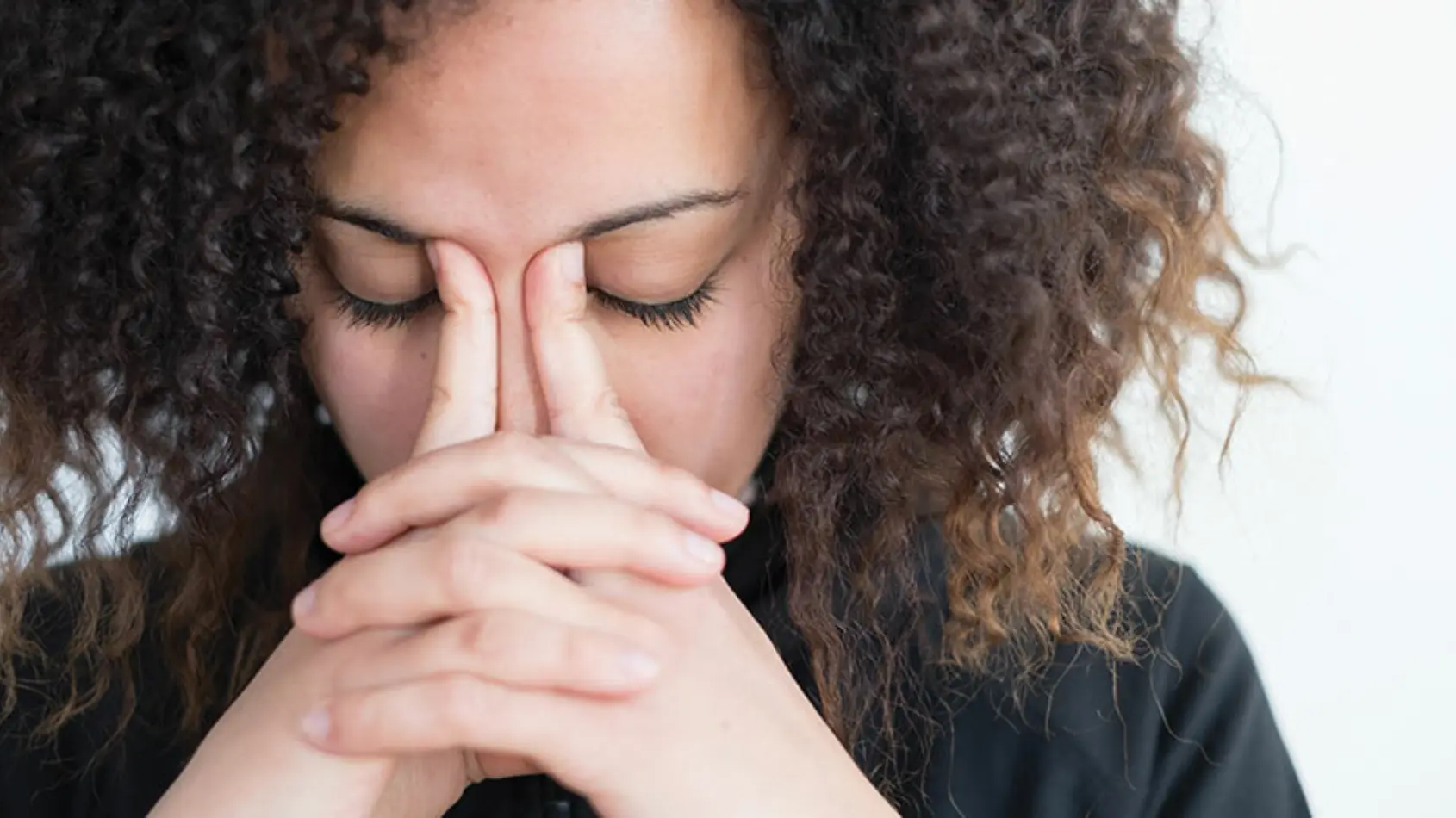
Severe depression affects about one in six people throughout their lifetimes. For some people, depression can be difficult to treat. Psychotherapy combined with psychedelic medications is one option that is showing promise for improving mental health in clinical trials.
What is depression?
Though it can range from mild to severe, depression often shows up as feelings of sadness, hopelessness or guilt. Depression can cause problems with sleep, motivation, energy and concentration. It can even be fatal: about one person dies by suicide every eleven minutes, according to the Centers for Disease Control and Prevention.
Initial treatments for severe depression typically include talk therapy and medications. Dr. Susan Conroy, a psychiatrist and neuroscientist at IU Health, treats patients who struggle to find an effective depression treatment in her work at the IU Health Treatment-Resistant Depression Clinic.
Dr. Conroy says there is promising research on using psychedelic-assisted psychotherapy (PAP) to treat depression. Psilocybin, the active ingredient in “magic mushrooms,” has been tested in clinical trials to treat depression.
“The research on psychedelic-assisted therapy for depression is very promising,” Dr. Conroy said. “But several studies have not shown long-term differences in depression improvement with psilocybin therapy compared to a typical first-line depression treatment. There isn’t a significant difference to show this therapy is better than the treatments we already have.”
It’s challenging to study PAP in the same way scientists would investigate other therapies. For one thing, researchers often use double-blind studies where subjects don’t know if they’ve been given a therapy or a placebo. This is not possible when testing a psychedelic medication. It’s also challenging to tell how effective this type of therapy is for the wider population of people who have depression, since the study is limited to people who are willing to try psychedelic compounds.
“Everyone who enrolls in the study is open to this treatment, so it’s a very select group of people who’ve been studied so far,” Dr. Conroy said.
How psychedelic-assisted psychotherapy works
PAP typically involves using psychedelic pharmacologic agents (drugs) like:
- psilocybin (magic mushrooms)
- lysergic acid diethylamide (LSD, also known as acid)
- MDMA (also known as ecstasy)
- Ketamine
Psychedelic drugs are administered to a patient in a medical setting under the care of a trained therapist. The doctor prepares the patient beforehand on know what to expect from these experiences.
During the sessions, the patient takes a psychedelic medication and then undergoes talk therapy with a doctor. Psychedelics induce patients to have altered experiences or feelings toward themselves or the world. During these discussions, the patient attempts to open their minds to new ways of thinking about their depressive feelings. Patients may be able to better accept hard truths about their lives that they’ve been struggling with.
“It’s still being studied, but we see that psychedelics may have a little more evidence in addressing end-of-life depression and anxiety where terminally ill people are trying to find meaning and address feelings of depression,” Dr. Conroy said. “But with psychedelic use for normal depression, we don’t know of it’s the experience itself or if it’s something else the drug is doing to the brain that’s improving the depression.”
There has been some encouraging research on the use of MDMA-assisted psychotherapy for severe post-traumatic stress disorder, or PTSD. In 2017, the U.S. Food and Drug Administration (FDA) granted Breakthrough Therapy Designation to MDMA for the treatment of PTSD, in combination with psychotherapy. In these studies, MDMA made it easier for patients to process their trauma.
Ketamine is a hallucinogenic drug that has more evidence in treating major depression and is widely accepted as a safe and effective treatment, if administered in a medical setting at clinical doses. While ketamine is FDA-approved for use as an anesthetic, studies have shown that smaller doses delivered through an IV can significantly improve anxiety and depression symptoms. However, more studies are needed on the use of ketamine infusion therapy. The FDA has also approved a nasal spray form of ketamine called Esketamine—in combination with antidepressant medications—as a treatment for depression in adults with treatment-resistant depression.
While PAP has the potential to offer effective treatments for treating depression, Dr. Conroy says more research is needed to better understand the effectiveness of psychedelics.
“All the psychedelic agents are still highly experimental in the treatment of major depression,” Dr. Conroy said. “The prevailing wisdom in the field of psychiatry is that a lot more study is needed before we’re able to safely, effectively and repeatedly understand how these medications are going to work in the broader population of people with major depression.”
History of psychedelics
Research into psychedelic-assisted psychotherapy has renewed interest in a field that began in the mid-20th century. LSD was discovered by accident in 1943 by Swiss chemist Albert Hoffman. Through the 1950s, he researched using LSD to treat alcoholism and coined the term “psychedelics.”
Unfortunately for scientific study, psychedelic drugs like LSD and magic mushrooms became popular in the 1960s for recreational use, and many people abused the drug. By the late 1960s, the U.S. government declared LSD and magic mushrooms illegal. Research into these drugs for therapeutic benefits came to halt, and only in recent years have they reemerged in the study of depression treatments. Psychedelics remain a difficult area to study.
“We need to be very careful this time around in clinical research into these agents to make sure we don’t expand too fast again and cause harm to people in a way that’s going to stop progress,” Dr. Conroy said. “Because psychedelics are probably going to be helpful in some form of psychiatry.”