Uncategorized
Hallucinogens Definition & Examples
Aug
Definition and Usage of Hallucinogens
Hallucinogens are special types of drugs. They affect the visual and perception abilities of users. Users see visual images and hear things that are not there. In the past, hallucinogens were used as medicines. They were also used in religious traditions. Western culture uses these drugs to enhance creativity because of their ability to stimulate visual and auditory sensations.
Sources and Ingestion Methods
There are two sources of hallucinogens: natural and synthetic. Natural sources come from plants, seeds, leaves, and fungi. Meanwhile, synthetic hallucinogens are made in laboratories. These are ingested by eating, mixing with tea, and smoking.
Common Types of Hallucinogens
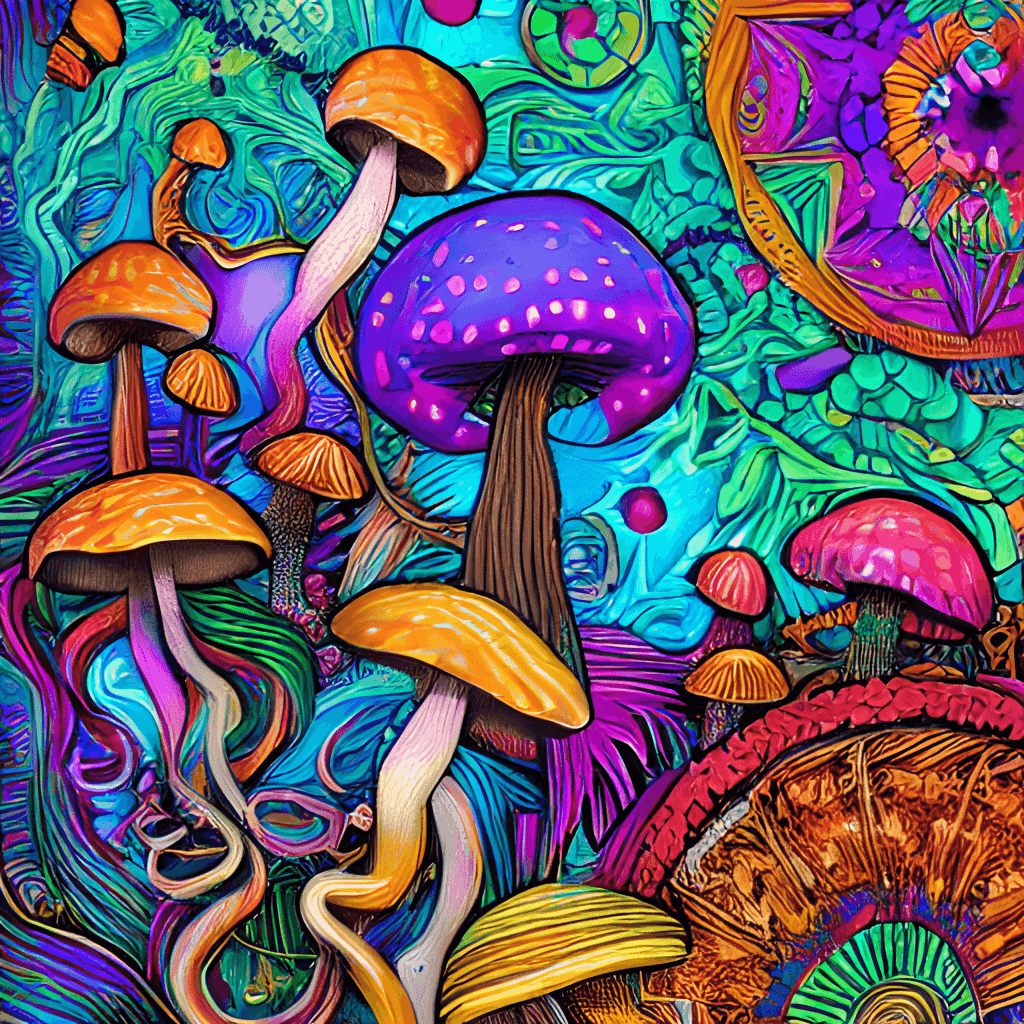
LSD (lysergic acid diethyl amide) is a powerful synthetic drug. It causes users to abnormally focus on small details and have mood swings. Mescaline is a natural hallucinogen found in a small, spineless cactus called peyote. It can be ingested by eating peyote directly, brewing it with tea, or processing it into powder form. The effects of mescaline are similar to LSD but milder. Distorted sense of time and self are common effects. Psilocybin is another natural hallucinogen found in mushrooms. It has similar effects to LSD and mescaline. It is important to choose the right psilocybin because there are poisonous mushrooms that exactly look like psilocybin. Lastly, phencyclidine or PCP is another common hallucinogen. This is a dissociative drug that causes delusions, detachment, and symptoms in schizophrenia.
Effects and Long-Term Consequences
Users of hallucinogens can experience immediate effects such as vomiting, nausea, increased heart rate, and anxiety. These drugs also have long-term effects, such as flashbacks. These make users re-experience the effects of other hallucinogens. Flashbacks are triggered by fatigue and stress.
